 How-to
How to Handle Emergency Hydraulic Repair for Mining Equipment
Last Updated: November 1, 2026
Quick Summary
For emergency hydraulic repair on mining equipment, stop, park, and isolate the machine with lockout/tagout first, then secure the area, contain fluid, and photograph the failure before touching anything. Treat every hydraulic line as live until a qualified person has bled it down.
- Pressure can stay trapped in accumulators and cylinders long after the pump stops.
- Photograph the leak from several angles and note hour meter, temperature, and error codes.
- Never use your hand to search for a pinhole leak; use cardboard or paper instead.
- A clean hose swap done to spec beats a taped-up or mismatched replacement.
- Call the shop with photos and symptoms so it can pre-diagnose before transport.
Table of Contents
- What to Do First When Mining Equipment Suffers a Hydraulic Failure
- Mining Equipment Hydraulic Troubleshooting: Reading the Warning Signs
- Emergency Hydraulic Hose Repair: Field Fixes Versus Shop Work
- Safety Precautions Around High-Pressure Hydraulic Systems
- When to Call a Trained Hydraulic Technician
- Hydraulic Cylinder Repair for Heavy Equipment: Repair or Replace?
- Hydraulic Repair Response Time and On-Site Service Logistics
- Get Your Mining Equipment Back to Work with Brothers Hydraulics LLC
- Frequently Asked Questions
What to Do First When Mining Equipment Suffers a Hydraulic Failure
When a haul truck, excavator, drill, or breaker loses hydraulic pressure underground or on a pit floor, the first five minutes matter more than the next five hours. Stop the machine, secure it, and document what happened before anyone reaches for a wrench. That sequence protects your crew and gives the repair team the information they need to move fast.
Cylinder and component repairs go smoothly when a crew has followed a disciplined shutdown. The checklist below is the sequence most mine maintenance teams settle into once they have been through a few failures.
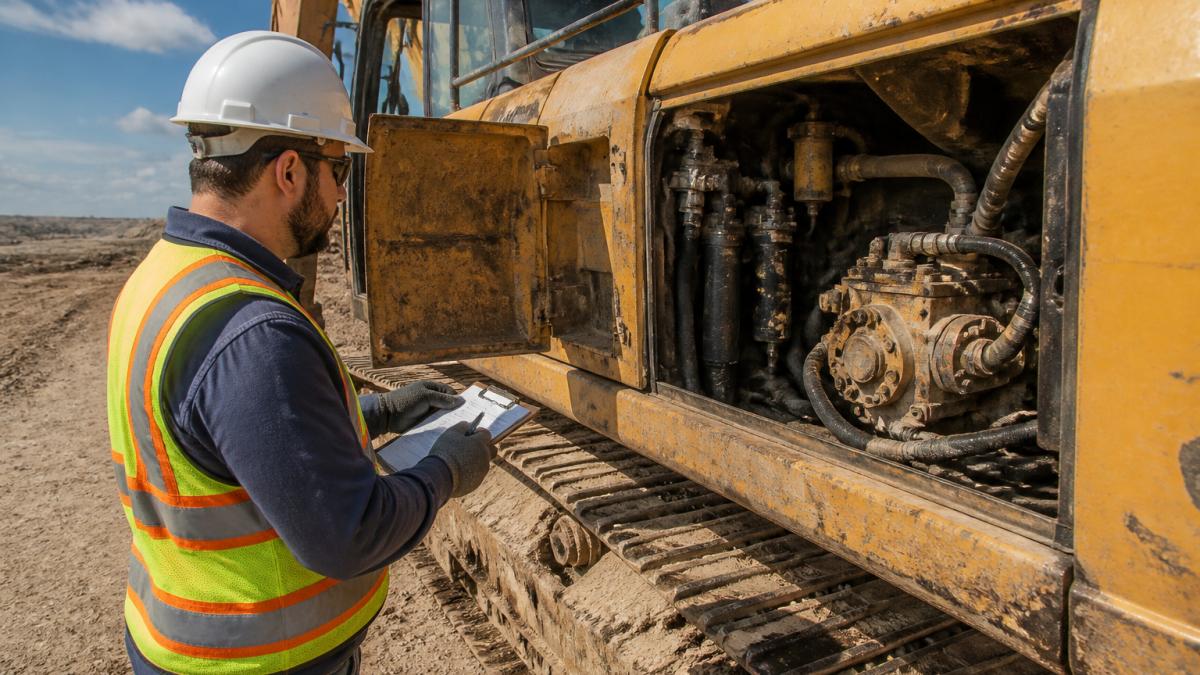
Step 1: Stop, Park, and Isolate the Machine
Bring the machine to a controlled stop on the most level ground available. Set the parking brake, lower any raised components to the ground, and shut off the engine.
Pressure can stay trapped in accumulators and cylinders long after the pump stops. Treat every hydraulic line as live until it has been bled down by a qualified person. Do not crack a fitting to check for pressure and do not search for a leak with your hand.
Step 2: Secure the Area and Contain Fluid
Barricade the machine and keep anyone not involved in the repair out of the spill zone. Hydraulic fluid is slippery underfoot and can create a fire or environmental exposure. Place absorbent pads or a drip pan under the leak, and follow your site's spill response and reporting procedure. Note where fluid reached soil, water, or a walkway so the cleanup is documented.
Step 3: Document the Failure Before You Touch Anything
Photograph the leak or damage from several angles. Note the hour meter reading, the operating temperature, and what the machine was doing when it failed. Save any error codes from the display.
This record does two things: it helps a technician diagnose root cause instead of guessing, and it supports your warranty or insurance claim. A common mistake is wiping down a leak before anyone photographs it. That single habit erases the best evidence you had.
Step 4: Make Safe Observations Only
Once the machine is isolated, a trained operator can check fluid level and condition through the sight glass or dipstick, look for obvious external damage, and confirm which function failed. Do not open lines, adjust relief valves, or run the machine to "see if it comes back." Those are technician tasks, and a machine that restarts and moves can turn a contained failure into a larger one.
Step 5: Hand Off to Repair with a Clear Brief
Call your repair partner with photos, the machine model, the symptoms, and the site access details. Confirm whether the repair is field-serviceable or needs shop work, and start transport or on-site arrangements while parts are being sourced. A clear handoff at this stage is what separates a one-shift recovery from a three-day one.
The first-response sequence for a hydraulic failure on a mine site follows five disciplined steps.
| Step | What to do | Key detail |
|---|---|---|
| Step 1 | Stop, park, and isolate the machine | Lock out and tag out; treat every line as live |
| Step 2 | Secure the area and contain fluid | Barricade the spill zone; use absorbent pads or drip pan |
| Step 3 | Document the failure before touching anything | Photograph damage, note hour meter, temperature, error codes |
| Step 4 | Make safe observations only | Check fluid level and external damage; do not open lines |
| Step 5 | Hand off to repair with a clear brief | Send photos, machine model, symptoms, and site access details |
Mining Equipment Hydraulic Troubleshooting: Reading the Warning Signs
Mining equipment hydraulic troubleshooting starts with matching the symptom to the component most likely to cause it, then matching that component to the machine. A haul truck, a rotary drill, an underground loader, and a pit excavator each fail in recognizable patterns. The earlier you catch the pattern, the smaller the repair.
Symptoms by Machine Type
- Haul trucks: slow bed raise or drift under load usually points to hoist cylinder seal bypass or a relief valve issue. Steering that gets heavy at low RPM often traces to pump wear or a tired priority valve.
- Rotary drills: erratic feed pressure, mast drift, and overheating during pulldown commonly involve the feed cylinder, counterbalance valve, or contaminated fluid. A drill that will not hold mast position is a safety issue, not just a production one.
- Loaders and excavators: sluggish boom or bucket response across all functions suggests low system pressure or a failing relief valve. One slow function points to that circuit's cylinder or valve.
What Each Symptom Usually Means
- External leaks or bulging hose covers: hose failure, often from abrasion, pressure spikes, or a hose routed against a sharp edge
- Cylinder drift under load: internal seal bypass in the cylinder
- Whining or rising oil temperature: pump wear, low fluid, or fluid contamination
- Sluggish response across all functions: low system pressure or a failing relief valve
Fluid contamination deserves special attention. Contamination is often a symptom of other problems rather than the root cause. Failed seals, worn pumps, and dirty fill practices can all feed it, so fixing the source matters more than replacing parts alone.
Safe Observations Versus Technician-Only Tests
Operators and maintenance staff can safely check fluid level and condition, look for external leaks and damaged hoses, note which functions are affected, and record temperatures and error codes. Pressure testing, flow testing, relief valve adjustment, and any diagnosis that requires opening a line belong to a technician with the right gauges and the machine isolated.
A technician with flow-test equipment can confirm whether the pump is weak, a valve is bypassing, or a cylinder is internally leaking in hours instead of swapping parts by guesswork. That distinction matters most on older mining equipment, where the wrong part is expensive and the right one may need to be manufactured.
Emergency Hydraulic Hose Repair: Field Fixes Versus Shop Work
A blown hose is the most common emergency on a mine site, and it is also the one most often made worse by a rushed field repair.
Field repairs make sense when the failure is a single hose, the replacement is the correct pressure rating, and fittings are clean and properly torqued.
Watch out: reusing a contaminated fitting or skipping a fluid flush after a hose blow sends debris straight into the pump and valves.
Safety Precautions Around High-Pressure Hydraulic Systems
High-pressure hydraulic systems store energy that can inject fluid through skin or release a component under load. Never crack a fitting to check for pressure, never search for a leak with your hand, and always relieve stored energy before opening a line.
Keep the area clear of anyone not involved in the repair. Wear eye protection and gloves rated for hydraulic work. If fluid does penetrate skin, that is a medical emergency, not a washroom cleanup, and it needs immediate care.
When to Call a Trained Hydraulic Technician
Call a trained technician when the failure involves internal cylinder damage, pump or valve diagnosis, or any symptom you cannot trace to a single external part. A technician with the right gauges and flow-test equipment finds the root cause in hours instead of swapping parts by guesswork.
For operations that need heavy equipment hydraulic repair, having a shop that handles cylinder rebuilds, rod repair, and hard-to-find parts under one roof shortens the whole cycle.
Hydraulic Cylinder Repair for Heavy Equipment: Repair or Replace?
Repair often makes sense when the barrel and rod are sound and the problem is seals or scoring. Replacement is typically considered when the barrel is cracked or the cylinder is obsolete and a new unit is unavailable.
For older machines, repair is often the only realistic path, and manufacturing hard-to-find or discontinued components can keep a cylinder in service when no replacement part is stocked. If you want to see what a full rebuild involves, our hydraulic cylinder rebuild and reseal service and hydraulic cylinder repair service address leaking, damaged, or worn cylinders.
Hydraulic Repair Response Time and On-Site Service Logistics
Hydraulic repair response time depends on three things: how fast the failure is diagnosed, whether the part is in stock or needs machining, and how the machine gets to the shop. Remote mine sites add haul logistics to every hour, so plan the transport before the machine goes down, not after.
A practical sequence for reducing downtime:
- Call with photos and the machine's symptoms so the shop can pre-diagnose
- Confirm whether the repair is field-serviceable or needs shop work
- Arrange transport or on-site visit while parts are being sourced
- Set a realistic return-to-service date and hold the shop to it
When you are ready to move, our shaft and hydraulic rod repair service addresses rod repair needs.
Get Your Mining Equipment Back to Work with Brothers Hydraulics LLC
Downtime on a mine site is measured in lost production, not just repair bills.
Brothers Hydraulics LLC has served construction, agriculture, industrial, and transportation equipment since 2013, with fast turnaround times, competitive pricing, and the ability to manufacture hard-to-find components.
Get started with Brothers Hydraulics LLC and get your equipment back to work. Get a Quote with photos of your cylinder or part.
Frequently Asked Questions
What should you do when a mining machine has a hydraulic failure?
Stop the machine and lower all attachments to the ground, then shut off the engine and relieve stored pressure before anyone approaches the system. Mark the area and keep personnel clear of the failed component. Document the symptoms, fluid loss, and operating conditions, then call a trained hydraulic technician. Never reach into a pressurized system or attempt a field repair without proper safety precautions and the right parts on hand.
How can you tell if a hydraulic hose needs emergency repair?
Watch for blistering or bulging along the hose cover, fluid weeping at the fittings, exposed wire braid, or a sudden loss of pressure and slow cylinder response. Any of these means the hose is close to a blowout and should be replaced before the machine runs again. A hose that fails under pressure can release fluid at high velocity, so treat visible damage as an emergency hydraulic hose repair, not a job to defer.
Can a hydraulic hose be repaired in the field?
A field replacement is possible when you have the correct hose assembly, fittings, and crimping tools on site, but a field repair is only a stopgap if the hose is mismatched or the contamination source is not addressed. For mining equipment, a proper repair means matching pressure rating, routing, and bend radius to the original spec. If the right assembly is not available, secure the machine and schedule a shop repair to avoid a repeat failure.
How quickly can emergency hydraulic repairs be completed?
Response time depends on the failure, parts availability, and whether the repair happens on site or in a shop. Response time depends on the specific failure and parts needed. Ask your repair provider for a realistic hydraulic repair response time and a clear scope before work starts, so you can plan production around the actual turnaround rather than an optimistic estimate.